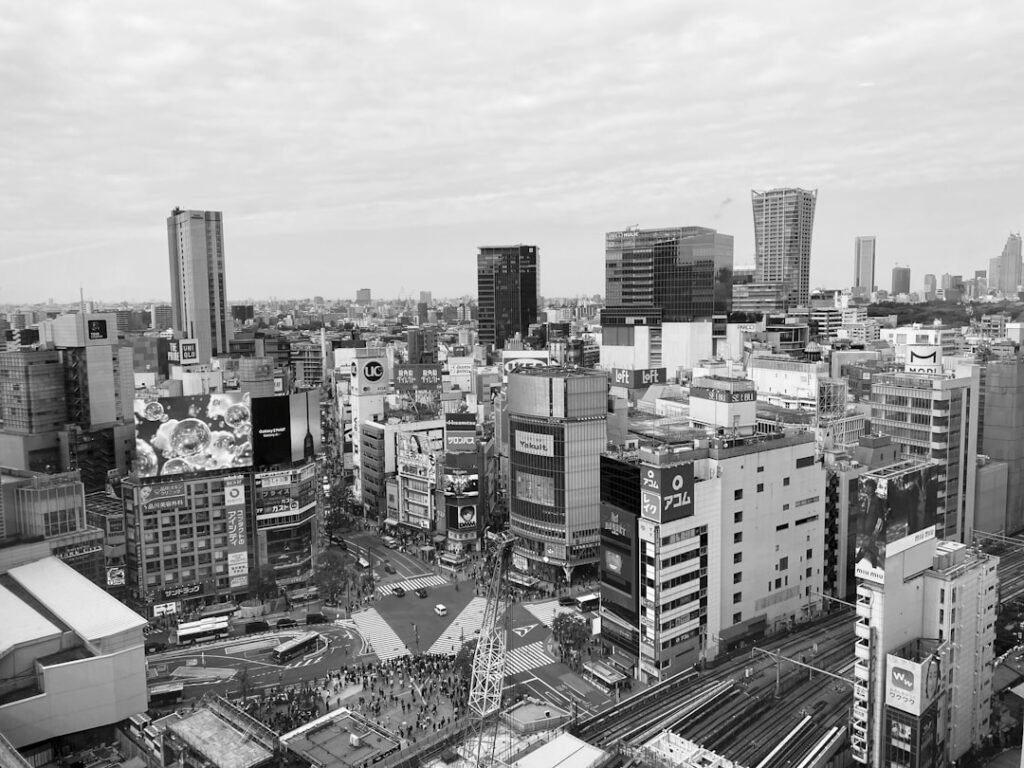
Dreaming of cherry blossoms, bustling Shibuya crossings, and world-class education in Tokyo? You’re not alone! Japan’s vibrant capital offers an unparalleled experience for international students. But before you pack your bags, understanding the cost of living is paramount, especially for Indian students navigating currency conversions and a new financial landscape in 2026.
This comprehensive guide is designed to equip you with realistic cost estimates and practical money management strategies to ensure your academic journey in Tokyo is not just enriching, but also financially sound. Let’s dive into the numbers and prepare you for an incredible adventure!
- Expect monthly living costs (excluding tuition) for a student in Tokyo to range from ¥120,000 to ¥180,000 (INR 66,000 – INR 99,000) in 2026, highly dependent on lifestyle and accommodation choices.
- Accommodation is the largest expense, with options like student dorms, share houses, and private apartments varying significantly in price.
- Food and Transportation are manageable with smart budgeting and utilization of student discounts.
- Tuition fees vary widely between public and private institutions, with scholarships being a crucial aid.
- Proactive budgeting, part-time work, and leveraging student benefits are key to financial success.
Understanding the Tokyo Price Tag: Why Planning is Crucial
Tokyo is renowned for being one of the world’s most expensive cities, but this reputation often doesn’t tell the full story, especially for students. While certain aspects like rent can be high, other areas like public transportation are incredibly efficient and relatively affordable, particularly with student discounts. The key is to distinguish between essential costs and discretionary spending, and to plan meticulously.
For an Indian student, the initial sticker shock when converting Yen to Indian Rupees can be significant. However, with careful planning, smart choices, and an understanding of local customs and resources, managing your finances in Tokyo is entirely achievable. This guide aims to demystify these costs, providing you with a clear roadmap for your financial planning as you look towards 2026.
The Exchange Rate Reality: JPY to INR in 2026
The exchange rate between the Japanese Yen (JPY) and the Indian Rupee (INR) is a dynamic factor that directly impacts your budget. While we can’t predict the exact rate for 2026, we’ll use an approximate rate for our calculations, which currently hovers around 1 JPY = 0.55 INR to 0.60 INR. For the purpose of this article, we will use an average of 1 JPY = 0.58 INR for conversions, but always remember to check the live rates closer to your departure date.
Fluctuations in the exchange rate can significantly affect how much your parents need to send or how much your savings translate into Yen. It’s wise to monitor these trends and factor in a buffer for any adverse movements. A 5-10% buffer in your overall budget can save you from unexpected financial strain.
Major Cost Category 1: Accommodation (The Biggest Slice)
Accommodation will undoubtedly be your largest monthly expense in Tokyo. The city offers various housing options, each with its own price point and advantages. Understanding these will help you make an informed decision.
Rent by Type: What to Expect
-
Student Dormitories (Gakusei-ryo): Often the most affordable and convenient option, especially for your first year. Many universities offer their own dorms, or you can find private student residences. They usually come furnished and include utilities.
- Estimated Monthly Cost (2026): ¥40,000 – ¥70,000 (INR 23,200 – INR 40,600)
-
Share Houses (Share-hausu): A popular choice among international students. You get a private room but share common areas like the kitchen and bathroom. Utilities are often included in the rent or split among residents.
- Estimated Monthly Cost (2026): ¥50,000 – ¥90,000 (INR 29,000 – INR 52,200)
-
Private Apartments (Apāto/Manshon): Offers the most independence but comes with the highest cost. You’ll likely need to factor in initial costs like “key money” (reikin), deposit (shikikin), and agent fees, plus furniture. Studio apartments (1K) are common for single occupants.
- Estimated Monthly Cost (2026): ¥70,000 – ¥120,000 (INR 40,600 – INR 69,600) for a small apartment in a non-central area. Central areas can be significantly higher.
Finding Affordable Housing: Tips for Indian Students
Securing affordable accommodation requires early planning and research. Start looking even before you arrive in Japan, or at least have a temporary arrangement for your first few weeks.
- University Support: Always check if your university offers housing assistance or has partnerships with student residences. This is often the safest and most straightforward option.
- Location, Location, Location: Living a bit further out from the city center can drastically reduce rent. Tokyo’s excellent public transport means a 30-45 minute commute is often acceptable and can save you thousands of Yen. Look for areas along train lines that directly connect to your university.
- Utilize Online Portals: Websites like GaijinPot Apartments, Oakhouse, and Borderless House specialize in housing for foreigners and share houses. Be sure to filter by price and proximity to your university.
- Understand Initial Costs: For private apartments, be prepared for significant upfront costs:
- Deposit (Shikikin): 1-2 months’ rent (refundable, often with deductions for cleaning/damages).
- Key Money (Reikin): 1-2 months’ rent (non-refundable payment to the landlord).
- Agent Fee (Chūkai Tesūryō): 0.5-1 month’s rent + consumption tax.
- Guarantor Fee (Hosho Gaisha): Around 0.5-1 month’s rent (if you use a guarantor company, which is common for foreigners).
These can easily add up to 4-6 months’ rent just to move in, so factor this into your initial budget.
Major Cost Category 2: Food & Groceries (Eating Smart in Tokyo)
Food costs can vary wildly depending on whether you cook at home, eat out frequently, or opt for convenience store meals. Tokyo offers an incredible culinary scene, but enjoying it daily can quickly deplete your budget.
Cooking vs. Eating Out: A Cost Comparison
-
Eating Out:
- A casual lunch at a ramen shop or a Yoshinoya/Matsuya beef bowl: ¥500 – ¥1,000 (INR 290 – INR 580)
- Dinner at an izakaya (Japanese pub) or mid-range restaurant: ¥2,000 – ¥4,000+ (INR 1,160 – INR 2,320+)
- Cafe coffee: ¥300 – ¥600 (INR 174 – INR 348)
-
Cooking at Home (Groceries): This is where you can save significantly.
- Rice (5kg): ¥1,500 – ¥2,500 (INR 870 – INR 1,450)
- Chicken breast (500g): ¥500 – ¥800 (INR 290 – INR 464)
- Vegetables (e.g., cabbage, onions, potatoes): ¥100 – ¥300 per item (INR 58 – INR 174)
- Milk (1L): ¥180 – ¥250 (INR 104 – INR 145)
- Instant noodles: ¥80 – ¥150 (INR 46 – INR 87)
Estimated Monthly Food Cost (2026):
- Primarily cooking: ¥25,000 – ¥40,000 (INR 14,500 – INR 23,200)
- Mix of cooking and occasional eating out: ¥40,000 – ¥60,000 (INR 23,200 – INR 34,800)
Budget Grocery Shopping & Meal Prep Strategies
Embrace the art of smart grocery shopping in Japan:
- Supermarkets are Your Friends: Look for large supermarkets like Gyomu Super (known for bulk and international items), Seiyu (often cheaper), and local chains. Avoid convenience stores (konbini) for daily groceries as they are generally more expensive.
- Discount Times: Many supermarkets offer discounts on fresh produce, meats, and prepared foods in the evenings (usually 1-2 hours before closing). This is a great time to snag deals!
- Meal Prep: Cooking in bulk for a few days can save time and money. Invest in some basic cooking utensils and containers.
- Don’t Waste Food: Japan has a strong culture of not wasting food. Plan your meals to minimize leftovers and make sure to finish what you buy.
- Explore Local Markets: Some neighborhoods might have smaller, independent greengrocers or fish markets that offer better prices than large supermarkets.
Major Cost Category 3: Transportation (Navigating the City)
Tokyo’s public transportation system is world-class, encompassing an intricate network of trains and subways. While individual fares can add up, student passes offer significant savings.
Public Transport Passes & Student Discounts
- Individual Fares: A single train ride can cost ¥140 – ¥300 (INR 81 – INR 174) depending on distance.
-
Student Commuter Passes (Tsūgaku Teiki-ken): This is a must-have for students. You can purchase monthly, 3-month, or 6-month passes for specific routes (e.g., home to university). These offer substantial discounts compared to buying individual tickets.
- Estimated Monthly Cost (2026): ¥5,000 – ¥10,000 (INR 2,900 – INR 5,800), depending on distance and university location.
- IC Cards (Suica/Pasmo): While not discount cards, these rechargeable cards make travel incredibly convenient. Just tap and go. You can also use them for purchases at convenience stores and vending machines.
Estimated Monthly Transportation Cost (2026): ¥5,000 – ¥12,000 (INR 2,900 – INR 6,960) (assuming a student commuter pass and some extra travel).
Cycling & Walking: Your Free Options
Tokyo is surprisingly walkable, and cycling is a popular and efficient way to get around, especially for shorter distances or within your neighborhood.
- Bicycle Purchase: A decent used bicycle can cost ¥5,000 – ¥15,000 (INR 2,900 – INR 8,700). New ones range from ¥10,000 – ¥30,000 (INR 5,800 – INR 17,400).
- Bicycle Registration: Mandatory for theft prevention, typically around ¥500 – ¥1,000 (INR 290 – INR 580).
- Parking: Be aware of designated bicycle parking areas. Illegal parking can result in your bike being impounded and a fine to retrieve it.
Major Cost Category 4: Utilities & Internet (Keeping the Lights On)
Utility costs typically include electricity, gas, water, and internet. These can fluctuate based on usage, season, and the efficiency of your building.
Electricity, Gas, Water, and Wi-Fi Estimates
-
Electricity (Denki): Can be higher in summer (AC usage) and winter (heating).
- Estimated Monthly Cost (2026): ¥3,000 – ¥7,000 (INR 1,740 – INR 4,060)
-
Gas (Gasu): Used for cooking and water heating.
- Estimated Monthly Cost (2026): ¥2,000 – ¥5,000 (INR 1,160 – INR 2,900)
-
Water (Suidō): Usually billed every two months.
- Estimated Monthly Cost (2026): ¥1,500 – ¥3,000 (INR 870 – INR 1,740)
-
Internet/Wi-Fi: Essential for studies and staying connected. Many share houses include this. For private apartments, you might need a separate contract.
- Estimated Monthly Cost (2026): ¥3,000 – ¥5,000 (INR 1,740 – INR 2,900) for a dedicated line. Portable Wi-Fi devices can be an alternative but might be more expensive long-term.
-
Mobile Phone: Consider a SIM-only plan from budget carriers like LINE Mobile, Rakuten Mobile, or Y!mobile.
- Estimated Monthly Cost (2026): ¥2,000 – ¥4,000 (INR 1,160 – INR 2,320)
Estimated Total Monthly Utility & Internet Cost (2026): ¥11,500 – ¥24,000 (INR 6,670 – INR 13,920)
Saving on Utility Bills
- Mindful Usage: Turn off lights and electronics when not in use. Use AC/heaters sparingly.
- Energy-Efficient Appliances: If choosing a private apartment, look for places with newer, energy-efficient appliances.
- Compare Providers: For electricity and gas, you might have options for different providers. Research and choose one that offers competitive rates.
- Layer Up: In winter, instead of cranking up the heater, wear warmer clothes indoors. Japanese homes are not always as insulated as those in Western countries.
Major Cost Category 5: Tuition Fees & Academic Expenses
Tuition fees are a significant component of your overall cost of education. These vary drastically between public and private universities, and also depend on the program you choose.
Public vs. Private Universities: A Cost Overview
-
National/Public Universities: Generally more affordable.
- Estimated Annual Tuition (2026): ¥540,000 – ¥820,000 (INR 313,200 – INR 475,600)
- Admission Fee (one-time): ¥280,000 – ¥350,000 (INR 162,400 – INR 203,000)
-
Private Universities: Can be considerably more expensive.
- Estimated Annual Tuition (2026): ¥800,000 – ¥1,500,000 (INR 464,000 – INR 870,000) or even more for specialized programs like medicine.
- Admission Fee (one-time): ¥200,000 – ¥400,000 (INR 116,000 – INR 232,000)
-
Japanese Language Schools: If you’re attending a language school before university.
- Estimated Annual Tuition (2026): ¥700,000 – ¥1,000,000 (INR 406,000 – INR 580,000)
Academic Expenses: Beyond tuition, factor in books, stationery, printing, and occasional lab fees or field trips.
- Estimated Monthly Cost (2026): ¥3,000 – ¥8,000 (INR 1,740 – INR 4,640)
Scholarships & Financial Aid for Indian Students
Scholarships are a game-changer for reducing your financial burden. Research and apply for them diligently:
- MEXT Scholarship (Japanese Government Scholarship): Highly prestigious and covers tuition, living expenses, and travel. Very competitive.
- JASSO (Japan Student Services Organization) Scholarships: Offers various scholarships, some with partial tuition waivers or living stipends.
- University-Specific Scholarships: Many Japanese universities offer their own scholarships for international students. Check your target university’s international student office.
- Private Foundation Scholarships: Numerous private organizations in Japan offer scholarships. These often have specific criteria (e.g., field of study, nationality).
- Indian Government/Private Scholarships: Explore scholarships offered by the Indian government or private trusts for Indian students studying abroad.
Major Cost Category 6: Health Insurance & Medical Costs
Health insurance is mandatory for all residents in Japan, including international students. This provides crucial protection against high medical bills.
Mandatory National Health Insurance (NHI)
As a resident of Japan for more than three months, you are required to enroll in the National Health Insurance (NHI) scheme. This covers 70% of your medical expenses, meaning you only pay 30% out of pocket.
- Estimated Monthly Premium (2026): ¥1,500 – ¥2,500 (INR 870 – INR 1,450). The premium is typically based on your previous year’s income in Japan, which for new students with no income, will be at the minimum rate.
Understanding Co-payments
Even with NHI, you’ll be responsible for a 30% co-payment. While this is significantly less than paying 100%, it’s still important to factor it in for doctor visits or medication. For instance, a basic doctor’s visit might cost ¥1,000 – ¥3,000 (INR 580 – INR 1,740) after insurance.
Estimated Monthly Health Insurance & Minor Medical Costs (2026): ¥2,000 – ¥3,500 (INR 1,160 – INR 2,030)
Major Cost Category 7: Personal Expenses & Entertainment
This category covers everything from toiletries and clothing to leisure activities and socializing. This is where your budgeting skills will be most tested, as it’s easy to overspend.
Socializing, Hobbies, and Shopping on a Budget
-
Toiletries & Personal Care: Basic items like shampoo, soap, toothpaste.
- Estimated Monthly Cost (2026): ¥2,000 – ¥4,000 (INR 1,160 – INR 2,320)
-
Clothing: Can vary greatly. Japanese fashion can be tempting!
- Estimated Monthly Cost (2026): ¥3,000 – ¥8,000 (INR 1,740 – INR 4,640) – or less if you’re careful.
-
Entertainment & Socializing: Cinema tickets, karaoke, museum entry, drinks with friends.
- Estimated Monthly Cost (2026): ¥5,000 – ¥15,000 (INR 2,900 – INR 8,700), depending on your lifestyle.
-
Miscellaneous: Haircuts, stationery, occasional gifts, etc.
- Estimated Monthly Cost (2026): ¥3,000 – ¥7,000 (INR 1,740 – INR 4,060)
Estimated Total Monthly Personal & Entertainment Cost (2026): ¥13,000 – ¥34,000 (INR 7,540 – INR 19,720)
Exploring Tokyo Affordably
Tokyo offers countless free or low-cost activities:
- Parks & Gardens: Shinjuku Gyoen (small entry fee), Yoyogi Park, Ueno Park are beautiful and often host free events.
- Museums: Many museums have student discounts, and some (like the Tokyo Metropolitan Government Building observation decks) are free.
- Festivals (Matsuri): Experience Japanese culture firsthand at local festivals, often free to attend.
- Window Shopping: Exploring districts like Shibuya, Shinjuku, and Akihabara is an experience in itself, even if you don’t buy anything.
- Walking Tours: Discover hidden gems and learn about history through free walking tours.
Major Cost Category 8: Initial Setup & Visa Costs (The First Hurdle)
Before you even begin your regular monthly expenses, there are significant one-time costs associated with moving to Tokyo. These need to be budgeted carefully.
Visa Application Fees & Travel Costs
- Visa Application Fee: For Indian nationals, this is usually a nominal fee, often around INR 500-1,000.
-
Flight Tickets (India to Japan): This can vary widely depending on the airline, time of booking, and season.
- Estimated Cost (2026): INR 30,000 – INR 60,000 for a one-way economy ticket. Booking well in advance is crucial.
-
Travel Insurance: Highly recommended for the journey and initial period before NHI kicks in.
- Estimated Cost (2026): INR 5,000 – INR 15,000 (depending on coverage and duration).
Deposit, Key Money, & Initial Apartment Furnishing
As mentioned in the accommodation section, if you opt for a private apartment, these initial costs are substantial. Even for dorms or share houses, you might have an admission fee or deposit.
-
Accommodation Initial Costs: As discussed, 4-6 months’ rent for private apartments, or a smaller deposit🤖 Disclaimer: This article was generated with the help of Artificial Intelligence (AI) and reviewed for accuracy.
Content is intended for informational and educational purposes only, not financial advice. Rates, prices and product details may change — please verify on official sources before making any financial decisions.© 2026 NexifyLabs Money — All rights reserved.